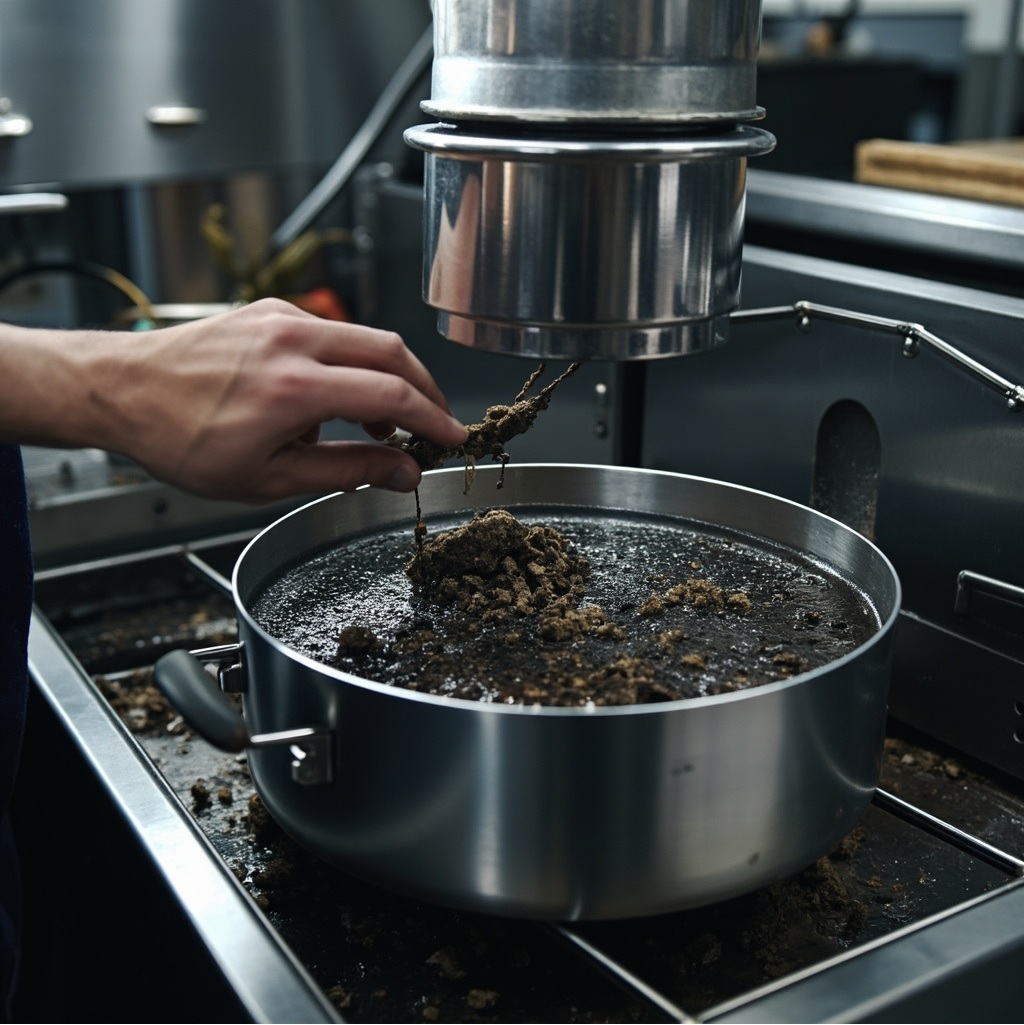
 You’ve got a batch of dough that’s almost perfect. The hydration is right, the gluten is developing beautifully, and then—clunk. Your pan mixer grinds to a halt. Production stops. The clock ticks. Every minute of downtime is money lost, not to mention the headache of reworking that batch or scrapping it entirely. If you’ve been in a bakery or industrial kitchen for more than a week, you know that feeling. The good news? Most of these disasters are completely avoidable. A short, disciplined maintenance routine can save you thousands in repairs and keep your line running smooth. Let’s cut the fluff and get into the real moves.
Start with the bowl. It’s the workhorse that takes the most abuse. After every shift, give it a thorough scrape-down. Dried dough buildup isn’t just gross—it throws off your mixing dynamics and puts extra strain on the motor. A stiff plastic scraper and warm water do the trick. Avoid metal tools that can scratch the surface; scratches become breeding grounds for bacteria and weak spots for corrosion. Once a week, pull the bowl off and inspect the locking mechanism. If that latch gets sloppy, the bowl can shift mid-cycle. That’s not a repair call—that’s a safety incident waiting to happen.
Now, the agitator arms. These are your mixing muscles, and they take a beating. Every morning before you start, give them a visual check. Look for cracks, bent edges, or loose bolts. A wobbling arm creates uneven mixing and can eventually snap. Tighten any hardware, but don’t over-crank it—you’re not building a bridge. And please, lubricate the pivot points with food-grade grease. Not automotive grease, not vegetable oil. Food-grade. This isn’t negotiable. A dry pivot seizes up fast, and that repair is never cheap.
The motor and drive system are the heart of your REFAMIX unit, and they hate neglect. Dust and flour particles are silent killers. They settle on the motor housing, trap heat, and slowly cook your electronics. Once a week, use a low-pressure air hose to blow out the vents. Do this with the machine unplugged. While you’re back there, listen for any grinding or whining when you rotate the pulley by hand. Smooth rotation means happy bearings. Any roughness means you’ve got about two weeks before that bearing fails. Order the replacement now, not after the breakdown.
Seals and gaskets are the unsung heroes. They keep grease in and contaminants out. Check the main shaft seal every month. If you see oil weeping onto the dough or flour dust creeping into the gearbox, that seal is compromised. Running it until it fully fails means gearbox contamination, which is a rebuild-level repair. Replace the seal early. It’s a ten-dollar part that protects a thousand-dollar gearbox.
Don’t forget the electricals. Loose connections cause intermittent stops that drive operators crazy. Once a quarter, open the control panel and tighten every terminal screw. Look for signs of overheating—discolored wires or a burnt smell. If you find either, call a qualified electrician. This isn’t a DIY zone. A short circuit in a commercial mixer can take out your whole line and pose a fire risk.
Here’s the routine I recommend to every production manager: five minutes at the end of each shift. Wipe down the bowl, check the arms, blow out the vents. That’s it. Once a week, add the seal check and a quick listen to the motor. Once a month, do the full electrical inspection and bearing rotation test. Write it on a clipboard. Tape it to the wall. Make it a habit.
The biggest mistake I see is waiting for a problem to announce itself. By the time you hear a weird noise or smell something hot, the damage is already done. Proactive maintenance isn’t a cost—it’s an investment in uptime. Your REFAMIX mixer is built to last, but even the best machine needs a little attention. Give it that, and it will give you years of uninterrupted production. Skip it, and you’ll be explaining to your boss why the afternoon run is ruined. The choice is yours.