Painting a wooden boat is an art that combines technical skill, patience, and a keen eye for detail. Achieving a flawless finish and ensuring long-lasting protection require meticulous preparation and the right techniques. Here are some detailed tips to guide you through the process.
The Foundation of a Flawless Finish
Preparation is crucial for a successful paint job. Start by thoroughly cleaning the boat’s surface to remove dirt, grime, and any previous coatings. Use a high-quality marine cleaner and a stiff brush to scrub the wood. Rinse thoroughly and allow the boat to dry completely. Next, inspect the wood for any damage, such as cracks, rot, or loose caulking. Repair any defects using marine-grade fillers and epoxy. Sand the entire surface with a medium-grit sandpaper to create a smooth, even base. Vacuum and wipe down the surface with a tack cloth to remove all dust and debris.
The Key to Long-lasting Protection
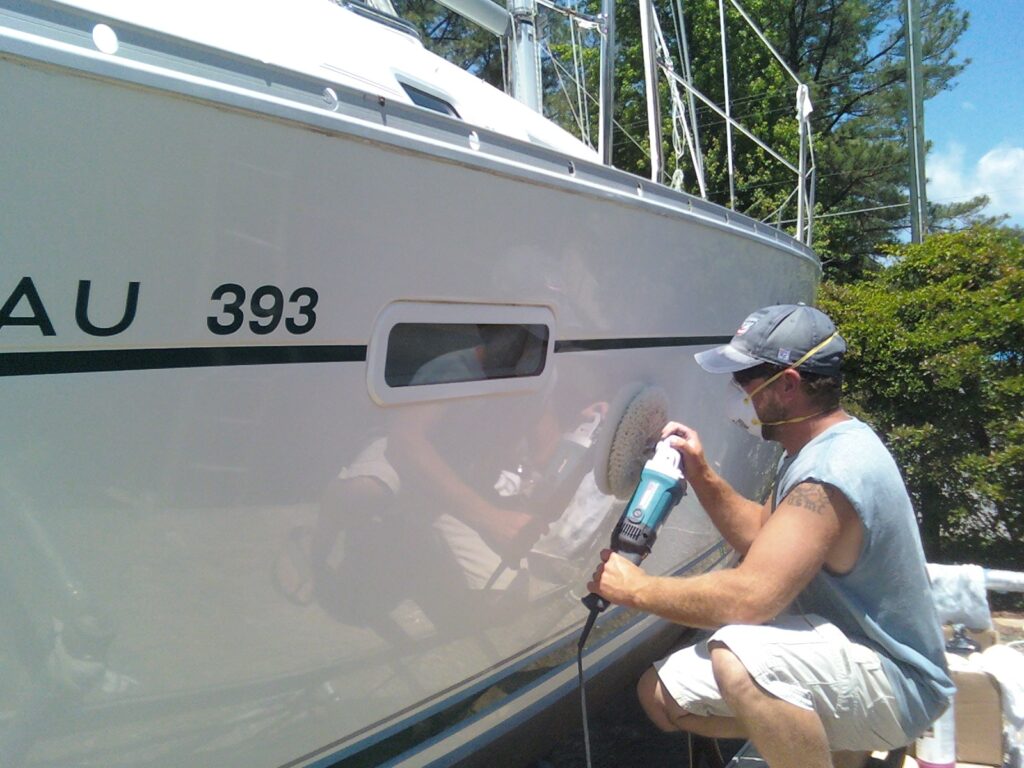
Priming is essential to ensure the paint adheres well and provides long-lasting protection. Choose a high-quality marine primer suitable for wooden surfaces. Apply the primer evenly with a brush or roller, ensuring it penetrates the wood fibers. Pay special attention to seams and joints, as these areas are prone to water infiltration. Allow the primer to dry according to the manufacturer’s instructions, usually around 24 hours. After the primer has dried, lightly sand the surface with fine-grit sandpaper to remove any brush marks or imperfections. Wipe the surface clean with a tack cloth before applying the paint.
Techniques for a Flawless Finish
When it comes to painting, selecting the right paint is crucial. Marine-grade paints are designed to withstand the harsh conditions of the marine environment, providing superior durability and protection. There are two main types of marine paints: one-part and two-part paints. One-part paints are easier to apply and are suitable for most boats, while two-part paints offer greater durability but require more skill to apply.
Finishing Touches: Enhancing Durability and Aesthetics
After the final coat of paint has dried, consider applying a clear marine varnish or sealer. This additional layer of protection enhances the durability of the paint and adds a glossy finish that highlights the natural beauty of the wood. Apply the varnish in thin, even coats, following the same techniques used for the paint. Allow each coat to dry completely and sand lightly between coats for a smooth, professional finish.
Maintenance: Ensuring Longevity
Proper maintenance is essential to preserve the paint job and protect the wood. Regularly inspect the boat for signs of wear, such as chips, cracks, or peeling paint. Address any issues promptly to prevent further damage. Clean the boat regularly to remove salt, dirt, and grime that can degrade the paint. Consider covering the boat when not in use to protect it from the elements of 10+ Wooden Boat Painting Tips.
By following these detailed techniques, you can achieve a flawless finish and ensure long-lasting protection for your wooden boat. Investing time and effort in proper preparation, priming, painting, and maintenance will pay off, keeping your boat looking beautiful and performing well for years to come.




 Window tinting offers a layer of protection for your possessions, your health, and the environment. First and foremost, it acts as a shield against harmful UV rays. Prolonged exposure to these rays can have detrimental effects on your skin and overall health. In vehicles, UV rays can cause sunburn, premature aging, and increase the risk of skin cancer. In homes and offices, they can damage furniture, flooring, and artwork. By blocking up to 99% of these harmful rays, window tinting not only safeguards your health but also preserves the integrity of your interior spaces. In addition to UV protection, window tinting also reduces heat and glare. This is particularly important in hot climates, as it helps maintain a comfortable and energy-efficient indoor temperature. By reducing the need for excessive air conditioning, you can lower your energy consumption and utility bills, contributing to a more sustainable lifestyle. This additional layer of safety can be crucial in mitigating injuries in accidents.