Tactical first aid refill kits play an important role in maintaining emergency readiness during unexpected situations. Replacing used or expired medical supplies helps ensure that every kit remains dependable when quick action matters most. Well-organized refill kits allow responders, outdoor enthusiasts, security personnel, and preparedness-focused individuals to restore essential items without replacing an entire medical setup.
These refill kits are designed to support efficient emergency care while promoting confidence and preparedness in a wide range of environments.
Why Refill Kits Matter
A refill kit helps keep emergency supplies https://rhinorescuestore.com/products/rhino-tactical-trauma-kitb-refill-ifak-with-metal-tourniquet complete and functional after previous use or routine inspections. Maintaining a fully stocked kit supports faster response times and better organization during stressful moments.
Key advantages include:
- Quick replacement of essential medical items
- Improved readiness for emergency situations
- Better organization inside trauma or first aid pouches
- Convenient restocking after training exercises or real incidents
- Support for long-term preparedness planning
- Reduced clutter through organized supply management
Having replacement components readily available also helps ensure that important tools are never missing when needed most.
Common Supplies Found In Tactical Refill Kits
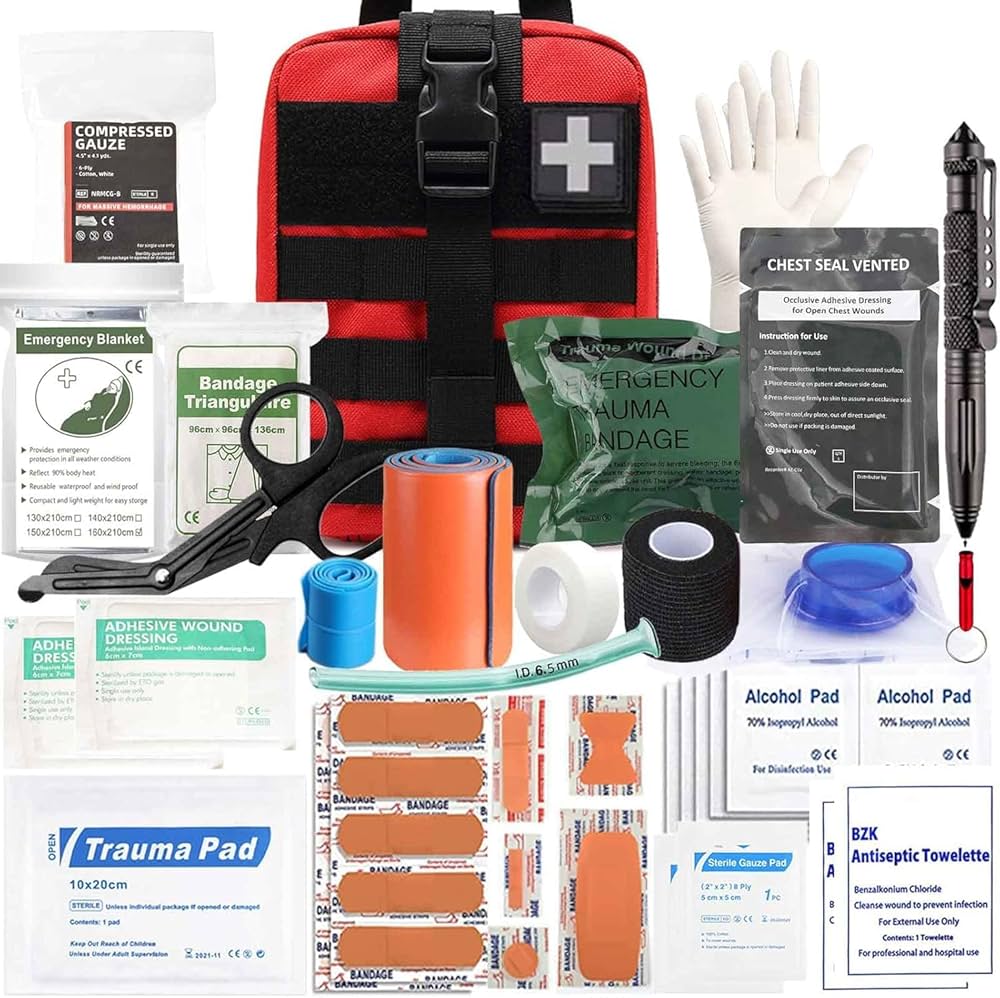
Many refill kits contain carefully selected medical items intended to support rapid response efforts. These supplies are often packaged for easy access and efficient storage.
Typical contents may include:
- Sterile gauze pads
- Compression bandages
- Adhesive tape rolls
- Medical gloves
- Trauma dressings
- Antiseptic wipes
- Chest seals
- Elastic wraps
- Emergency shears
- Airway support accessories
- Burn treatment materials
- Compact storage pouches
The variety of supplies allows users to customize their emergency setup based on personal needs and activity levels.
Features That Improve Emergency Preparedness
Well-designed refill kits often include practical features that make organization and deployment easier during urgent situations.
Helpful features may include:
- Clearly labeled compartments
- Vacuum-sealed packaging for cleanliness
- Lightweight and compact storage
- Durable protective wrapping
- Fast-access arrangement of supplies
- Portable designs for travel or field use
- Easy inventory tracking during inspections
These features contribute to smoother emergency response and more efficient supply management.
Ideal Uses For Tactical Refill Kits
Refill kits can support preparedness efforts across many different activities and environments. Their versatility makes them valuable additions to existing emergency gear.
They are commonly useful for:
- Outdoor adventures and hiking trips
- Vehicle emergency preparedness
- Workplace safety readiness
- Recreational activities
- Home emergency planning
- Training exercises and simulations
- Sporting events and group travel
Keeping refill supplies available in multiple locations can help strengthen overall emergency preparedness.
Tips For Maintaining Refill Kits
Routine maintenance helps preserve the reliability and usefulness of emergency medical supplies. Simple inspection habits can improve organization and readiness over time.
Helpful maintenance practices include:
- Checking expiration dates regularly
- Replacing damaged packaging promptly
- Storing supplies in dry conditions
- Reviewing inventory after each use
- Organizing supplies by priority level
- Keeping frequently used items easily accessible
Consistent upkeep ensures that refill kits remain ready for immediate deployment whenever required.
Supporting Confidence Through Preparedness
Tactical first aid refill kits provide practical support for maintaining complete and organized emergency supplies. Their portable design, efficient organization, and dependable medical components help improve readiness during critical situations. By regularly updating and maintaining first aid equipment, individuals can build stronger preparedness habits while supporting safer and more confident emergency response efforts.